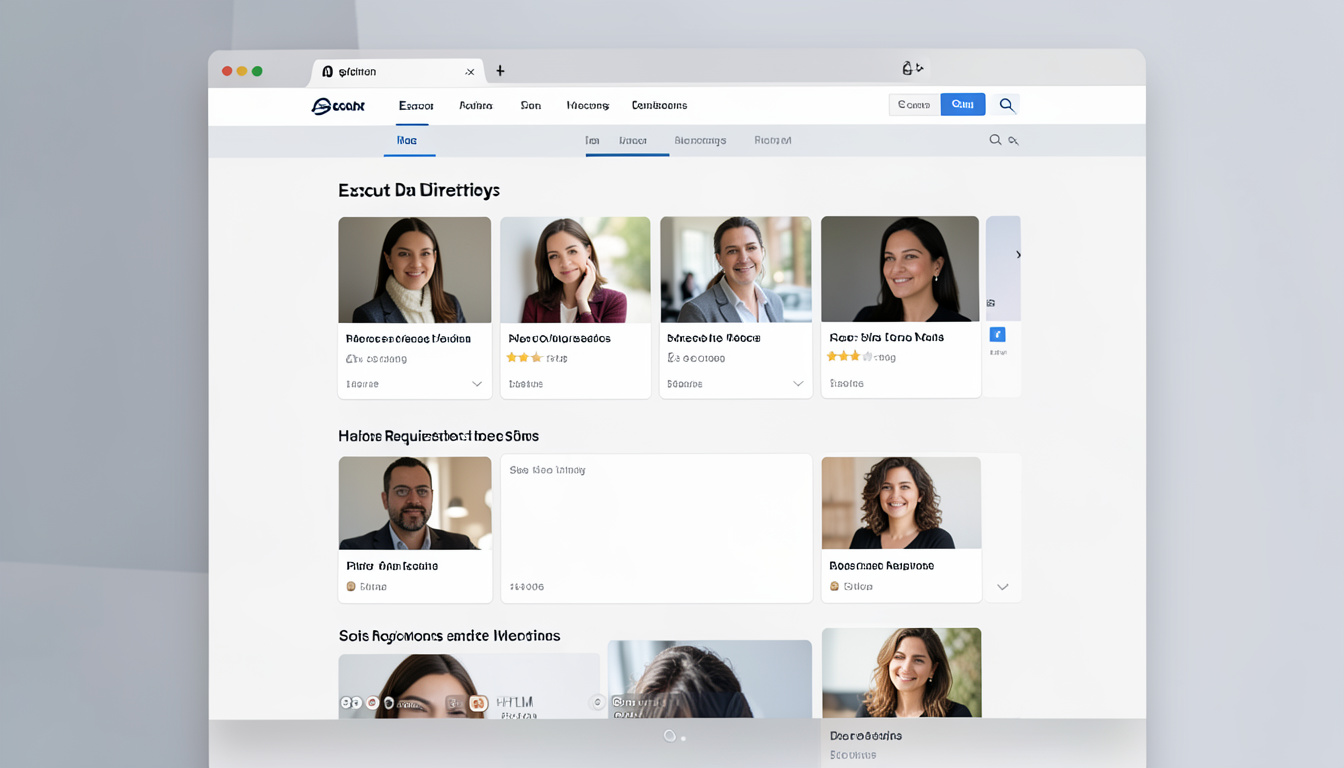
What is HTLM in Escort Directories?
HTLM, or HyperText Listing Markup, is a specialized format used in escort directories to structure and present companion listings. In simple terms, HTLM provides a standardized way to organize information about available companions, including their profiles, services, and availability. This markup language helps directory operators create consistent and user-friendly listings that are easy to browse and understand.
Background: HTLM emerged as a response to the need for more organized and efficient escort directory management. Before its adoption, many directories used inconsistent formats, leading to confusion for both operators and users. HTLM was developed to address these issues and has since become a valuable tool in the industry.
How HTLM Enhances Directory Functionality
HTLM improves escort directory functionality in several key ways. First, it allows for the creation of detailed, structured profiles that include important information such as physical attributes, services offered, and availability. This level of detail helps users make informed decisions when selecting a companion.
Second, HTLM enables the implementation of advanced search and filtering options. Users can easily narrow down their search based on specific criteria, such as location, price range, or particular services. This feature saves time and enhances the overall user experience.
Third, HTLM facilitates better communication between users and companions. By providing a clear structure for contact information and booking details, HTLM ensures that all necessary information is readily available, streamlining the booking process.
For example, a well-structured HTLM listing might include sections for the companion's biography, photo gallery, service menu, and a contact form. This organization makes it easy for users to find the information they need quickly and efficiently.
What to Do When Implementing HTLM
When implementing HTLM in an escort directory, there are several steps to follow:
- Familiarize yourself with the HTLM specification: Understand the structure and requirements of HTLM to ensure proper implementation.
- Design your directory layout: Plan how you will organize the information within your listings, keeping in mind the user experience.
- Create templates for listings: Develop standardized templates that adhere to the HTLM format, ensuring consistency across your directory.
- Test and refine: Before launching, thoroughly test your implementation to identify and fix any issues.
By following these steps, directory operators can effectively implement HTLM and reap its benefits.
Common HTLM Terms and What They Mean
- Profile: A detailed description of a companion, including their attributes, services, and availability.
- Listing: An individual entry in the directory, typically containing a companion's profile and contact information.
- Search Filters: Options that allow users to narrow down their search based on specific criteria.
- Booking System: A feature that enables users to request and schedule appointments with companions directly through the directory.
Understanding these terms is essential for anyone working with HTLM in escort directories.
What to Do When HTLM Fails to Load Properly
If you encounter issues with HTLM not loading properly in your escort directory, there are a few steps you can take:
- Check your internet connection: Ensure that your connection is stable and working correctly.
- Clear your browser cache: Outdated cached data may be causing the issue.
- Verify the HTLM implementation: Double-check that the HTLM code is correctly implemented and free of errors.
- Contact support: If the problem persists, reach out to the directory's support team for assistance.
By following these troubleshooting steps, you can quickly resolve most HTLM-related issues and ensure that your escort directory functions smoothly.
How HTLM Compares to Other Listing Formats
| Feature | HTLM | Traditional HTML |
|---|---|---|
| Structure | Specifically designed for escort directories | General-purpose markup language |
| Search Functionality | Advanced search and filtering options | Limited or no built-in search capabilities |
| User Experience | Optimized for ease of use and navigation | May require additional customization |
| Compatibility | Works well with escort directory software | Requires manual implementation |
This comparison highlights some of the key advantages of HTML over traditional HTML in the context of escort directories.
What to Do When Upgrading Your HTLM Implementation
Upgrading your HTLM implementation can bring several benefits, such as improved functionality and better user experience. Here are some steps to follow when upgrading:
- Backup your current data: Before making any changes, ensure that you have a backup of your existing listings and user information.
- Review the new HTLM specifications: Familiarize yourself with any updates or changes in the latest version of HTLM.
- Gradually implement the new features: Start by incorporating the most important updates, testing each change thoroughly before moving on to the next.
- Train your staff: If you have a team managing the directory, provide them with training on the new HTLM features and best practices.
- Monitor performance: After the upgrade, keep an eye on your directory's performance and user feedback to identify any issues that may need addressing.
By following these steps, you can ensure a smooth transition to the latest HTLM version and take advantage of its improved features.
Conclusion
HTLM is a valuable tool for escort directories, offering a structured and efficient way to present companion listings. By understanding its features and implementing it correctly, directory operators can enhance user experience and streamline the booking process. As the industry continues to evolve, HTLM will likely play an increasingly important role in shaping the future of escort directories.
For those interested in exploring related topics, consider reading about compare peptide vendors or learning more about peptideScore.