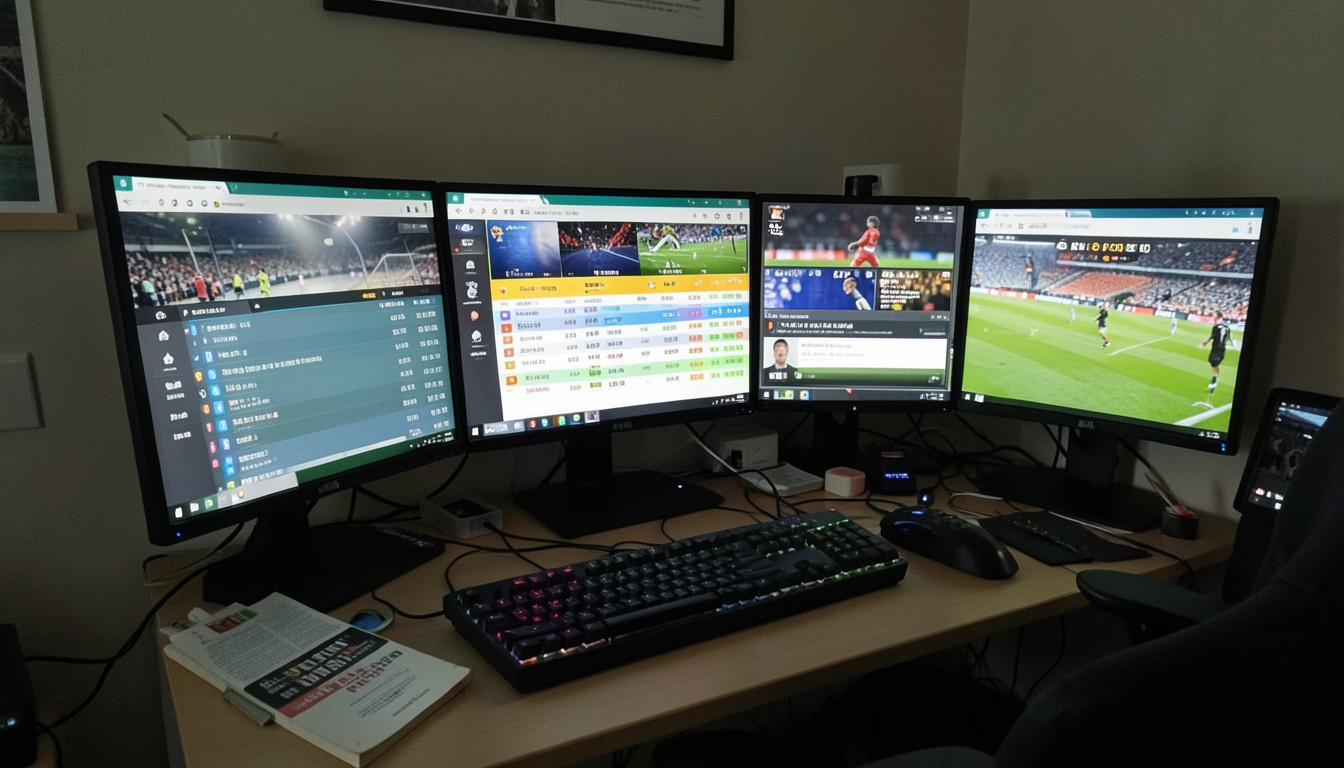
Analyze the Data Source First, Na?
It's the heat only, but this sports betting feed isn't updating as it should. You're sweating over your next wager, and the feed is stuck like a 9:14 Virar fast at peak hour. Before you even think of placing a bet based on this feed, you need to understand where this data is coming from and how reliable it is. Is it a well-known provider with a track record, or some new player in the game? Remember, your money is on the line here, so doing the needful on verifying the source is non-negotiable. And if you're looking for reliable sources for other research materials, you might want to compare peptide vendors for quality data too — same principle applies, no?
Check for Real-Time Updates and Accuracy
Next, you need to make sure that the feed is actually providing real-time updates. What's the point of a betting feed if the scores are delayed by five minutes, na? You might as well be betting on yesterday's match. Look for indicators of freshness — timestamps, frequent updates, or even a live ticker. And don't just take their word for it; cross-check with another source if you can. My grandmother always said, 'Trust, but verify,' and that applies doubly here when it comes to your hard-earned money.
Evaluate the Range of Sports and Markets Covered
A good sports betting feed shouldn't just cover the big leagues and popular sports. It should have a decent range, from football to kabaddi, and everything in between. More options mean more opportunities to find value in the odds. But don't get carried away — having too many obscure sports can be overwhelming. Focus on what you know and what you're interested in. Remember, it's not about quantity, but quality.
Consider the User Interface and Ease of Use
All the data in the world won't help you if the feed is presented in a confusing, cluttered interface. You should be able to find the information you need quickly and easily. Is it mobile-friendly? Can you customize what you see? These might seem like small things, but when you're trying to make a quick decision, they can make all the difference.
Assess the Cost and Subscription Model
Finally, consider how much this feed is going to cost you. Some feeds are free, but you get what you pay for. Others might charge a subscription fee. Weigh the cost against the value you're getting. Is it worth it for the edge it might give you in your betting? Remember to factor in any additional costs, like data charges if you're streaming it on your phone.
What You Actually Get For It
Real-Time Data
The most obvious benefit is access to real-time data. This includes live scores, player statistics, and even weather conditions that could affect the outcome of a match. Having this information at your fingertips can give you an edge over other bettors who are relying on delayed or incomplete data.
In-Depth Analysis and Insights
Many sports betting feeds go beyond just providing raw data. They offer analysis, predictions, and insights from experts in the field. This can be invaluable for bettors who don't have the time or expertise to do all the research themselves. It's like having a team of analysts in your pocket.
Customization Options
The best feeds allow you to customize what information you see. You can set up alerts for your favorite teams or players, filter out sports you're not interested in, and even create your own dashboards. This level of personalization can make a big difference in how effectively you use the feed.
The Tradeoffs
Depth vs. Breadth of Coverage
One of the biggest tradeoffs with sports betting feeds is between depth and breadth of coverage. A feed that covers a wide range of sports might not go into as much detail for each one. Conversely, a feed that focuses on just one or two sports can provide much more comprehensive coverage. You need to decide what's more important for your betting strategy.
Cost vs. Quality
As mentioned earlier, there's often a tradeoff between cost and quality. Free feeds might be sufficient for casual bettors, but serious bettors might need to invest in a premium feed to get the best data and analysis. It's a balance between what you're willing to spend and what you need to be successful.
Real-Time vs. Historical Data
Another tradeoff is between real-time data and historical data. Some feeds excel at providing up-to-the-minute information, while others have extensive archives of past matches and performances. Depending on your betting style, you might prioritize one over the other.
Ease of Use vs. Advanced Features
Finally, there's the tradeoff between ease of use and advanced features. A feed that's very user-friendly might lack some of the more sophisticated tools that experienced bettors rely on. On the other hand, a feed packed with advanced features might have a steep learning curve. It's about finding the right balance for your level of experience and needs.
Is It Worth It for You?
So, is a sports betting feed worth it for you? It depends. If you're a casual bettor who only places a few bets now and then, a free feed might be all you need. But if you're serious about sports betting and want to give yourself the best chance of success, investing in a quality feed is probably a good idea. Just remember to do your research, read reviews, and maybe even try out a few different feeds before committing to one. And if you're looking for other ways to level up your game, consider checking out verified peptide reviews for performance enhancement — though that's a whole other ballgame, na?
Remember, the goal is to make informed decisions based on the best available data. A good sports betting feed can be a powerful tool in your arsenal, but it's not a magic bullet. You still need to do your own analysis, manage your bankroll carefully, and know when to walk away. But with the right feed, you'll be in a much better position to beat the bookies at their own game.