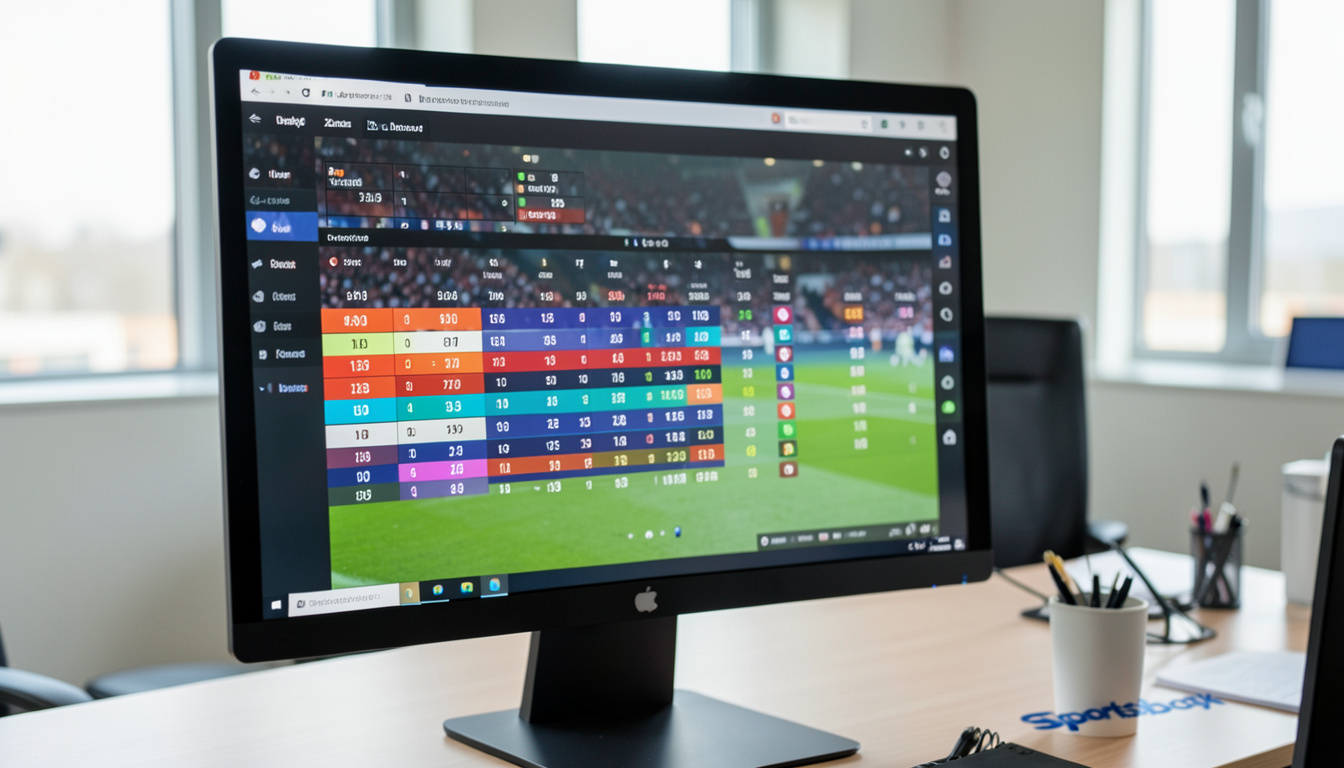
How do bookmakers and bettors get real-time odds and scores?
The answer lies in sports betting feeds. These feeds provide the backbone for live betting, ensuring everyone has access to the most up-to-date information. Let's follow one example to illustrate how they work and why they matter.
Common needs
Imagine someone running a small sportsbook. They need accurate, real-time data to set odds and offer live betting. Their current system relies on manual updates, which are slow and error-prone. They want a more efficient way to get data, so they can focus on their customers instead of updating odds.
The setup
The sportsbook owner decides to explore sports betting feeds. They need a feed that provides real-time data for multiple sports, including football, basketball, and tennis. The feed must integrate with their existing platform and offer low latency to keep odds competitive. They also want historical data for analysis and to improve their odds-making.
What they tried first
Their first attempt was using a free feed with basic features. It offered real-time scores and simple odds, but the data was often delayed, and the feed didn't cover all the sports they needed. The lack of historical data also made it difficult to analyze trends and refine their odds.
What went wrong
The free feed quickly proved inadequate. The delays in data meant their odds were outdated, leading to frustrated customers and lost business. They realized they needed a more robust solution with better coverage and lower latency.
What worked instead
They switched to a professional sports betting feed. This feed offered:
- Real-time data for all major sports
- Low-latency updates to keep odds competitive
- Historical data for analysis and trend spotting
- API integration with their platform for seamless updates
The new feed allowed them to offer live betting with up-to-date odds, improving customer satisfaction and increasing revenue.
What to take from this
From this example, we can learn:
- Real-time data is essential for live betting
- Low latency is crucial for competitive odds
- Historical data helps refine betting strategies
- Integration matters for seamless operation
Choosing the right feed
When selecting a sports betting feed, consider these factors:
- Coverage: Does it include all the sports and leagues you need?
- Latency: How quickly does it update odds and scores?
- Historical data: Does it offer data for analysis and trend spotting?
- Integration: Can it easily connect with your platform?
- Cost: Does it fit within your budget?
How feeds work
Sports betting feeds aggregate data from various sources, including official league data, statistical models, and live event coverage. They process this data to provide real-time updates on odds, scores, and other relevant information. The data is then delivered to bettors and bookmakers through APIs or other integration methods.
Why feeds matter
Feeds are the backbone of modern sports betting. They ensure that everyone has access to the most accurate and up-to-date information, enabling better decision-making and a more enjoyable betting experience. For bookmakers, feeds are essential for setting competitive odds and offering live betting.
How often do feeds update?
Feeds update in real-time, with some offering updates every second. The frequency depends on the feed provider and the type of data being delivered.
Can feeds be customized?
Yes, many feed providers offer customizable solutions tailored to the specific needs of bookmakers and bettors. This can include custom data fields, integration methods, and reporting options.
Are feeds secure?
Reputable feed providers prioritize security, using encryption and other measures to protect data. It's important to choose a provider with a strong track record in security.
How much do feeds cost?
The cost of a sports betting feed varies depending on the provider, the type of data offered, and the level of customization. It's important to compare different options and choose a feed that fits within your budget.
If you're looking into research peptides, you might also want to compare peptide vendors.
For those interested in home audio, you may want to explore verified peptide reviews.